

by Lorraine Gibson
A long-gone, and seemingly innocuous Christchurch building that wound up being used for a purpose light years away from what it was intended for, was commissioned by a group whose members practised covert rituals and included Gerald Gardner, often called the father of modern witchcraft.
The Christchurch Rosicrucian Order Crotona Fellowship was a side-shoot of the Order Of Rosicrucians, an arcane society founded in the 1600s, with roots in the occult and supposed links to Freemasonry.
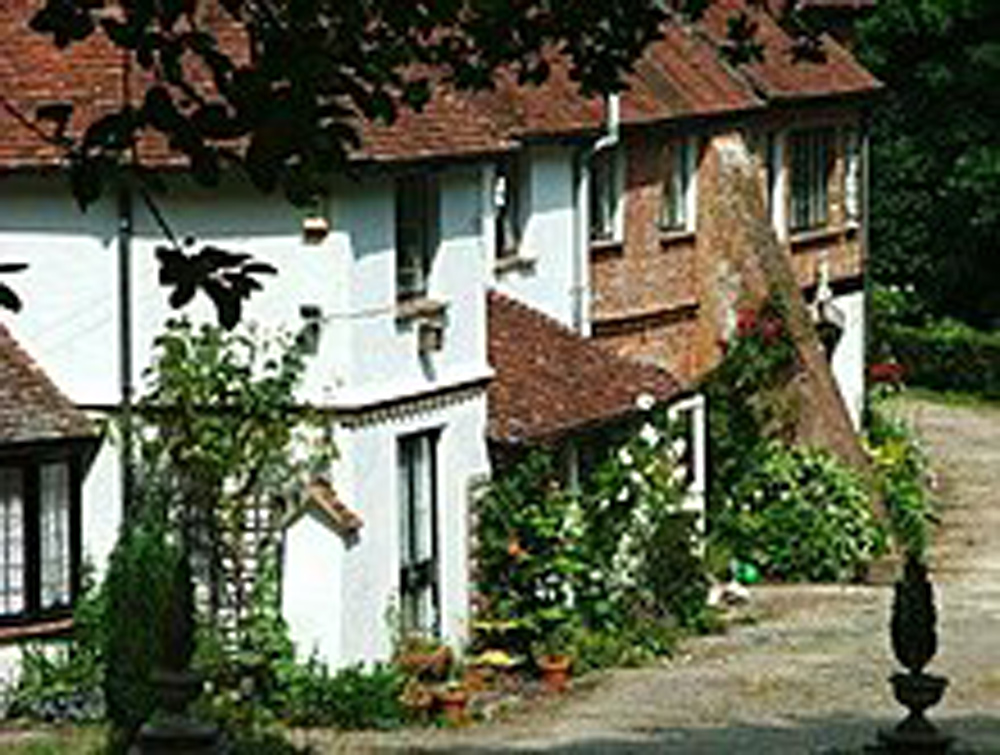
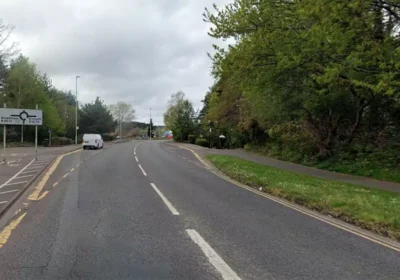
They built the structure as a meeting place and theatre in the grounds of a house on the corner Somerford Road and Somerford Way belonging to member, Catherine Emily Chalk.
The fellowship was founded in Liverpool in 1911, but moved then re-formed in Christchurch in 1930, where they met regularly at the King’s Arms Hotel until the completion of their new headquarters. The finished wooden structure, named the Ashrama Hall and the Christchurch Garden Theatre, opened in 1938.
According to the Christchurch History Society, copies of the original plans drawn up for local builder, W. Bryant, show that it was 110 feet by 42 feet (33.5 metres by 12.8 metres) with a raked auditorium that could seat 360 people.
At the front was a foyer and backstage were four dressing rooms and a store room.
At its official opening, it was described as England’s first Rosicrucian theatre and the groups Liverpudlian founder, Dr George Sullivan, who wrote plays and performed there as Alex Matthews, was keen to clarify that it welcomed outside groups as well as Rosicrucian Players.
Performing the inaugural ceremony, Mayor Henry Lapthorne said: “Christchurch has shown considerable conservatism in the past and I think it shows great courage on the part of the (Rosicrucian) Society in constructing this theatre.”
From June to September, it presented Sullivan’s mystical-style plays, however, their efforts to attract people bore little fruit and were largely ignored; the few reviews in the Christchurch Times were lacklustre.
It didn’t help that they were seen as a secret society, even a cult, but whatever they tried – Shakespeare, films, lectures – the main response was indifference.
When Sullivan died in 1942, membership dwindled and activities moved to Southampton.
A small group still within Christchurch’s Rosicrucian Players formed a coven of witches that included the wild-eyed, wild-haired Gardner, a retired colonial civil servant and occultist living in Highcliffe.
Gardner became a major player in the modern revival of witchcraft, or Wicca, and today has thousands of followers of ‘Gardnerian’ witchcraft throughout the UK and the world.
In her study of the development of Wicca, Sabina Magliocco, professor of anthropology and religion at the University of British Columbia, says it’s possible that, by the late 1930s, some of the fellowship were performing Wicca-esque ceremonials with a base in Co-Masonry, a version of Freemasonry that permitted women.
Gardner referred to the splinter group as the New Forest Coven.
As for the theatre, from 1951 to 1958 it was repurposed as the De Havilland Aeronautical Technical School for apprentices from the aircraft factory along Somerford Road.
In 1975, it was destroyed by fire, while being used by an industrial water cooler firm.
From casting a play to casting a spell, it certainly represents a fascinating period in local history.




Leave a Reply