

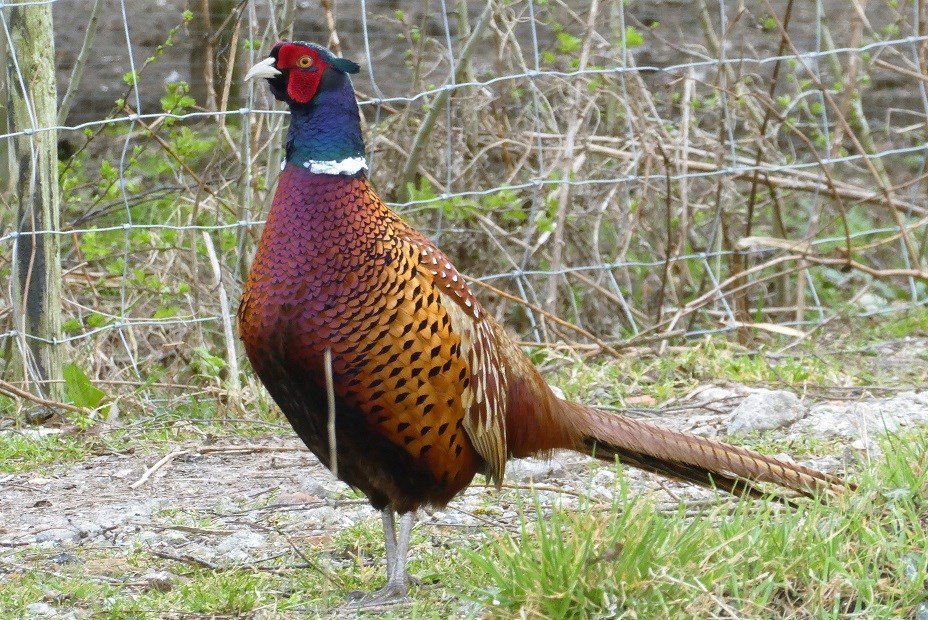
GAME bird shooting season is almost upon us – and police in Hampshire are urging people to be on the look out for poachers as the season begins.
The shooting season typically runs from September to February, with partridge, pheasant and duck all hunted.
Hampshire & Isle of Wight Constabulary said the shooting season “tends to coincide with a rise in crime”, with rural criminals trespassing on land to target wildlife for poaching whilst also engaging in other criminal activity such as burglary and causing damage to property.
They said that landowners and gamekeepers are often subject to abuse, threats or intimidation by these offenders – and can face serious violence when they challenge poachers or trespassers in the worst case scenario.
55 reports of game bird poaching were recorded between September 2024 and February this year in Hampshire alone.
Country Watch Rural Crime Task Force Inspector, Cath MacDonald, said: “Poaching not only involves deliberate cruelty to animals, but we know that those who poach are often linked to wider crime networks involved in theft, burglary, criminal damage, violence and anti-social behaviour.
“The groups involved blight the countryside, which is why we are urging people to report crime as well as suspicious activity to police so our dedicated Task Force can take action.
READ MORE: Thousands of homes proposed for Upton, Verwood and Wimborne
READ MORE: Delights of Dorset set to bloom thanks to grant from Wimborne BID
“Earlier this month the Task Force arrested a man whilst on patrol in the Bishop’s Waltham area, and after searching the vehicle he was driving they found evidence of poaching and other crimes including dead pheasants, a catapult, ball bearings, some cannabis and a knife discarded nearby.
“The team’s patrols will continue and action will be taken against anyone identified as being involved in rural crime.”
The British Association for Shooting and Conservation (BASC) South East director, Michelle Nudds, said: “Wildlife crime impacts both individuals and communities.
“The scale of poaching and hare coursing varies geographically and seasonally, often organised by criminal gangs. Many individuals involved in poaching are also engaged in other rural and urban crimes.
“Farmers or gamekeepers who intervene in poaching or hare coursing may face intimidation through threats of violence, and in some cases, they are assaulted while trying to protect their livelihoods and property.
“It is therefore essential that adequate resources are allocated to tackle these crimes. BASC has recently funded a £40,000 initiative through its Legacy Fund to support the National Wildlife Crime Unit’s digital training academy, which will provide police forces across the UK with the specialised knowledge needed to combat poaching effectively.
“It is encouraging to see Hampshire police prioritising these issues, and we urge all our members and the general public to report any incidents.”
Police are asking people in rural areas to be on the look out for suspicious people or vehicles on farmland, including individuals engaging in lamping, and to report this to the force.
Lamping sees individuals using high powered lights to locate and kill wildlife on private land after dark.
“Your safety is the priority, so please do not approach these individuals. Instead, dial 999,” a spokesperson said.
“If you have seen people using or carrying catapults in rural areas or places where you know there is an abundance of wildlife and wild birds please let us know.”







Leave a Reply