

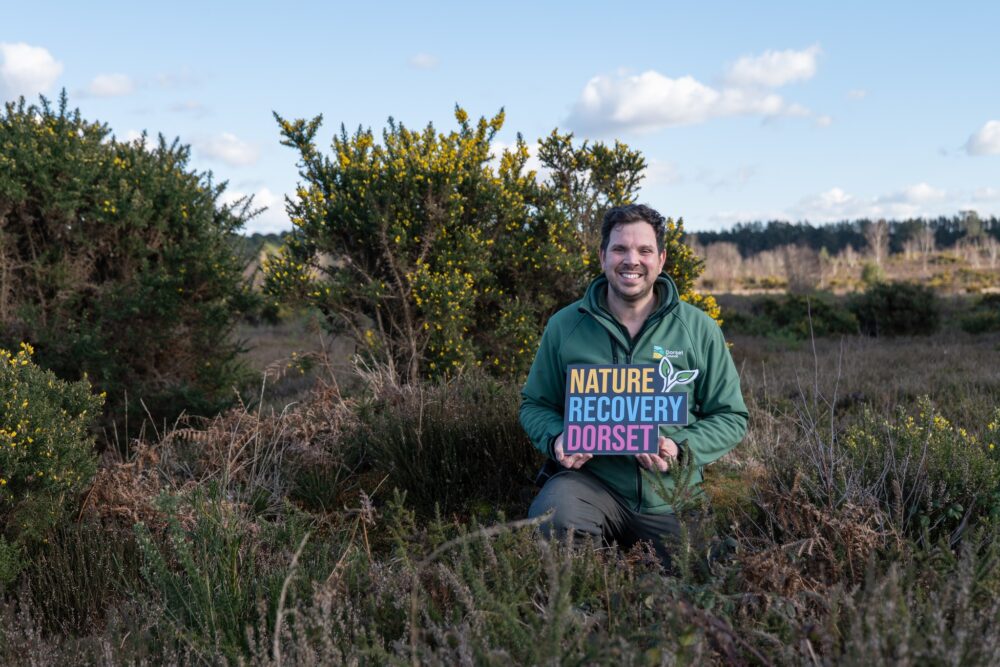
HUGE areas of Dorset heathland have been scorched by wildfires this summer – but a new restoration project aims to reduce fire risk and save some of the world’s rarest wildlife habitats.
A major incident was declared last month as 177 acres (72 hectares) of land at Holt Heath near Wimborne burned for six days straight, as crews from across the country jumped into action to try and tackle the blaze.
The fire service said it had been pushed to its limits following a record number of incidents this year.
Now, work is taking place at five heathland areas in the east of the county to create a habitat restoration project across Sites of Special Scientific Interest.
The Dorset Council project, backed by funding from Natural England and the Department for Environment, Food and Rural Affairs (Defra) will focus on restoring lowland heathland – an internationally rare ecosystem that supports endangered species such as the Nightjar, Woodlark, and all six of Britain’s native reptiles, including the elusive Smooth Snake.
READ MORE: Firefighters facing huge pressure after spree of wildfires – as chief calls for increase to council tax
READ MORE: Yellow weather warning as 80mph winds set to hit south west
Work will take place at the following sites:
- Stephens Castle, Verwood
- Dewlands Common North, Verwood
- Slop Bog, Ferndown
- Parley Common, Ferndown
- Pine Clump, Upton

Firefighters fought the fire, on Holt Heath, near Wimborne, for hours. Picture: DWFRS
These sites are legally protected and recognised for their ecological importance.
The threat of wildfires is increased in these areas due to a build up of invasive scrub and self-seeded coniferous trees that have encroached on the heathland, threatening its biodiversity and increasing the risk of wildfires.
The restoration will involve removing selected trees and invasive species such as Rhododendron to allow native heathland plants – especially heather – to thrive once again.
Not only will the project enhance biodiversity, but it will also reduce the likelihood and severity of wildfires.
By removing volatile species like Pine, Gorse and Rhododendron, the fuel load on these sites will be significantly reduced. This will lower the chance of ignition and help prevent the spread of fires.
Encouraging the growth of native broadleaved trees, which are more fire-resistant, will also help create natural firebreaks and support long-term sustainable management of these landscapes.
Rangers have worked closely with Dorset & Wiltshire Fire and Rescue Service (DWFRS) to develop wildfire response plans and ensure fire crews are familiar with the terrain.
Earlier this summer, Avon Heath Country Park hosted a wildfire training day for local heathland managers, organised by the Dorset Heaths Partnership and led by DWFRS.
Councillor Nick Ireland, leader of Dorset Council and cabinet member for climate, performance and safeguarding, said the project is vital for protecting Dorset’s unique natural heritage.
“As custodians of a significant portion of the world’s remaining lowland heathland, we have a responsibility to restore and safeguard these habitats.
“Heathlands not only support rare species but also play a role in tackling climate change, with their soils acting as powerful carbon sinks.
“And with climate change making wildfires more frequent and intense, it’s more important than ever that we manage these landscapes carefully.
“By removing invasive species and encouraging native vegetation, we’re creating safer, more resilient environments for the future.”
Timber removed during the restoration will be repurposed for local projects, including construction materials, fence posts, and wood chips for carbon-neutral energy production – reducing the need to import wood and supporting Dorset’s sustainability goals.
The restoration also contributes to wider nature recovery efforts, which help attract over 1.6 million visitors annually to the county’s four country parks.
Learn more about the council’s nature recovery work in Dorset here.






Leave a Reply