

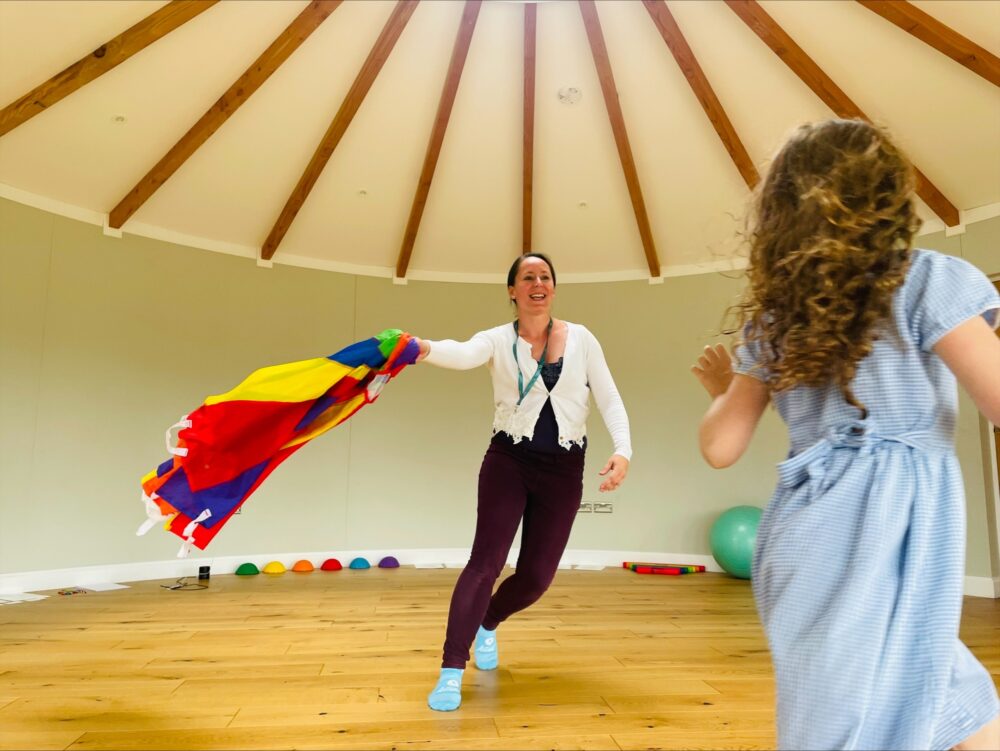
THE use of dance and movement as a communication tool for young people with autism at a Dorset school has taken a further step forward.
Dr Carly Marchant is a Dance Movement Psychotherapist (DMP) at Portfield School, in Parley, which supports students aged between four and 25, with an autism diagnosis.
And the school, run by Autism Unlimited, is now celebrating with Dr Marchant after she completed her PhD.
“I’m extremely proud to be part of the therapies team at Portfield and see my PhD as another string to the bow of this amazing school,” she said.
“I completed my PhD part-time, over seven-and-a-half years and had my own two children along the way.
“It has been demanding, but I’m thrilled to have completed my doctorate, both on a personal level and because I feel it further strengthens Portfield’s reputation as being exemplary in the use of therapy in child development.”
Autistic people think and process information differently from neurotypical people, she said, with many finding it hard to verbalise their feelings.
Some autistic people are partially verbal or non-verbal, and this can seriously impact on their communication skills and relationships, in some cases causing them extreme anxiety.
“DMP is a form of psychotherapy that uses the body to express and process emotions,” Dr Marchant explained.
“It is effective because it does not require spoken language, but acts like a ‘bridge’ to communication.
“During DMP sessions I use dance and movement, story and narratives, drawing, attunement and mirroring and metaphor and imagery to provide a ‘safe’ space for children to explore and express their emotions.”
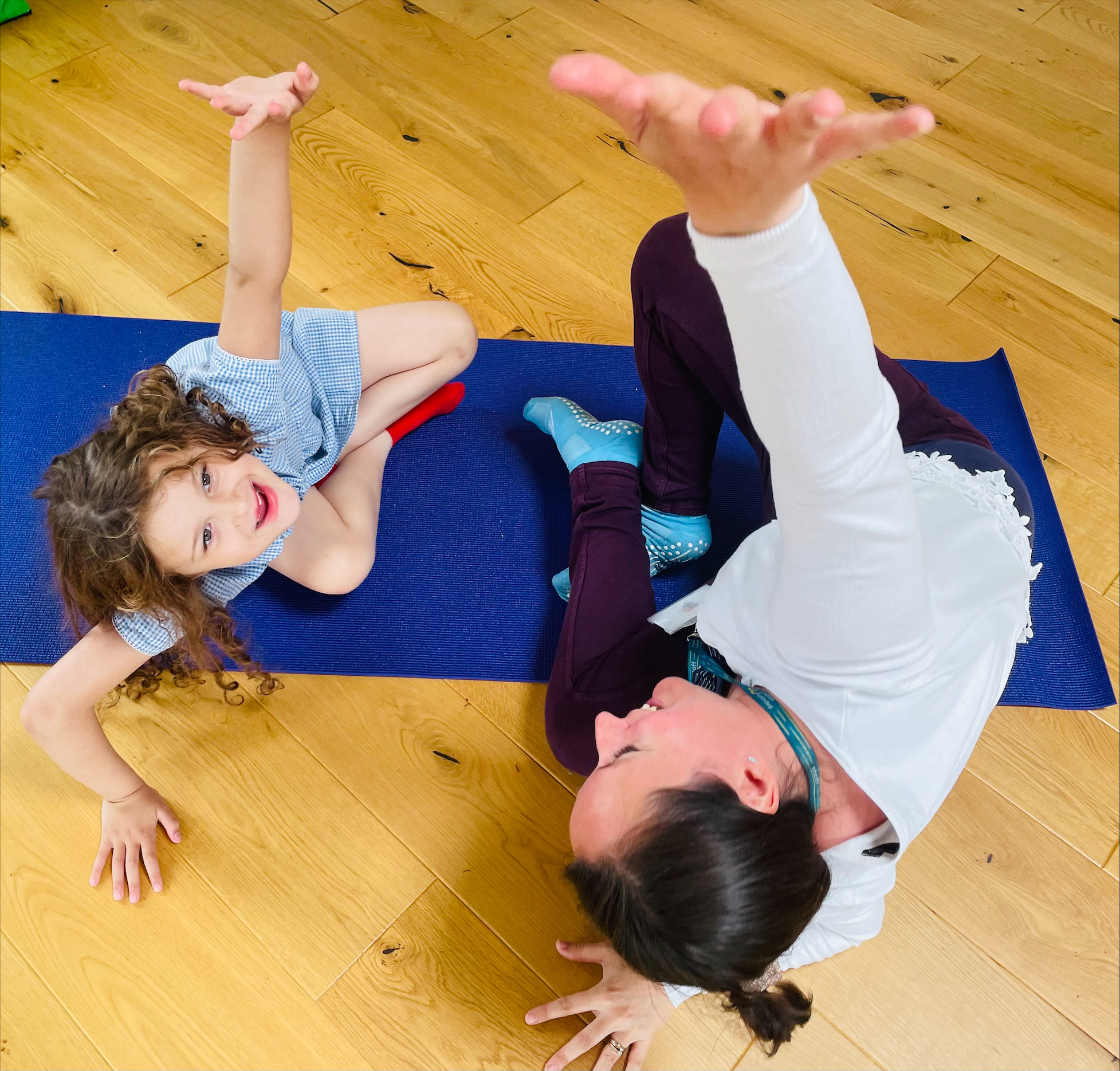
She said DMP supports motor development, social interaction and engagement, and in time this can help the child manage overwhelming thoughts and feelings and alleviate symptoms of anxiety.
“I am currently supporting 12 students aged five to 18 and every session is tailored to the student’s individual needs,” she added.
“One little girl brings her toys along to help her process and express what she is feeling, and we always open our sessions with a salutation song.
“I usually have students for between one and two years, and the effects of DMP can be hugely encouraging, for both them and their families.
“One of my parents at the moment is thrilled because their child has gone from having severe anxiety, which prevented them from leaving the house, to now being able to enjoy walks in the park.”
DMP is one of a range of therapies used by Portfield School to enhance child development, along with art psychotherapy, music therapy, counselling, speech and language therapy and occupational therapy.
Dr Marchant said: “DMP sessions take place in our magnificent Roundhouse, an eco-friendly, circular space with a light source at the centre radius of the roof, which provides a feeling of serenity and calm.
“It’s stunning and definitely contributes to the success of what we are achieving for our students here at Portfield School.”






Leave a Reply