

Words and pics by Jo BELASCO, a former allotmenteer, forager, amateur herbalist, pickler and jam maker who squeezed her allotment greenery into her tiny garden.
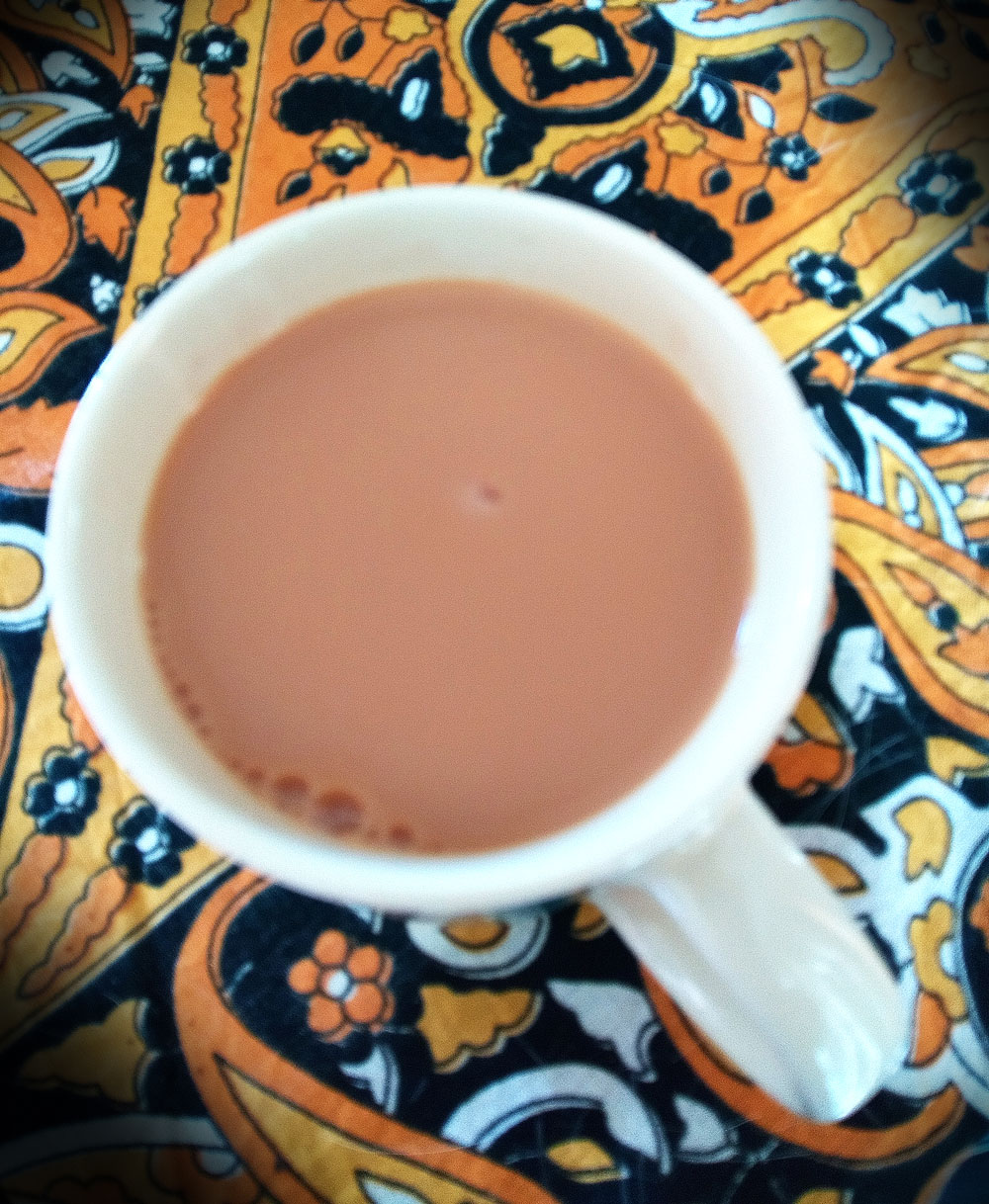
Indisputably, tea is a national treasure. For decades we have woken with tea, listened with tea, laughed with tea but I did not realise that there was an unwanted guest at the table…PLASTIC!
Somethings are sacrosanct and I do not know how companies can get away with putting plastic in our cuppas?
After a life time of PG Tips we changed to Yorkshire Tea but still my sense of trust in household brands has gone. My trust has gone especially as some types of Yorkshire tea still contain micro-plastics and some types of PG Tips don’t!
The only truly safe way to know what goes into our food before we consume it is to grow it ourselves.
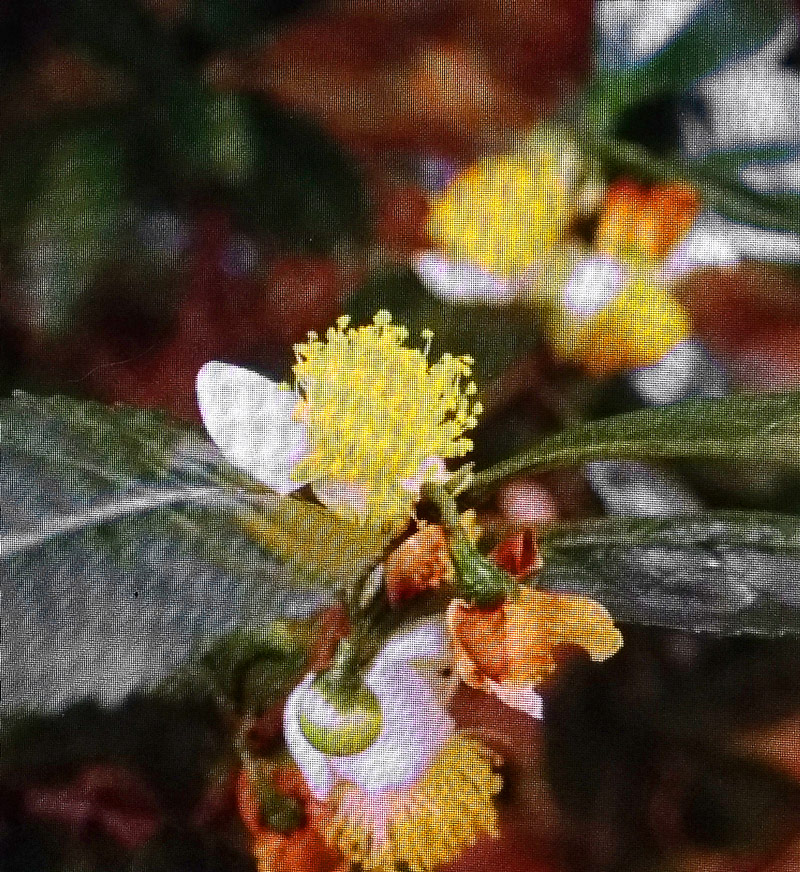
‘Could I? Would it be possible to grow my own Cha?’, I wondered. Ten minutes later and I had ordered a packet of seeds, Camellia Sinensis, from Chiltern Seeds online (other brands are available).
Yes, it is imminently possible. Guidelines stress to take extra care of them in the first few years of their lives, ie, maybe fleece in cold winters but in Dorset they will probably get away with no extra care. Tea plants prefer slightly acidic soil.
I suddenly had a pang – are we talking about builders black tea or green tea of which I am not fond?
Luckily, from the details online it was very clear that both green and black tea can be made from Camellia Sinensis.
I would tell you more details right now but, hark, I hear the kettle boiling!







Leave a Reply