

by Lorraine Gibson.
It’s a hard truth to face, but according to Young Minds, the charity that helps support young people with mental health, drug and other issues, the use of both legal and illegal drugs among teenagers and young adults is widespread.
Teenagers are likely to experiment, test boundaries and take risks and smoking, drinking and trying drugs are among the most common ways in which they might do this.
Substance misuse is one of the most common risks to a youngster’s health and development and all drugs have the potential to cause harm; some can be addictive, and using them in combination can increase the risks.
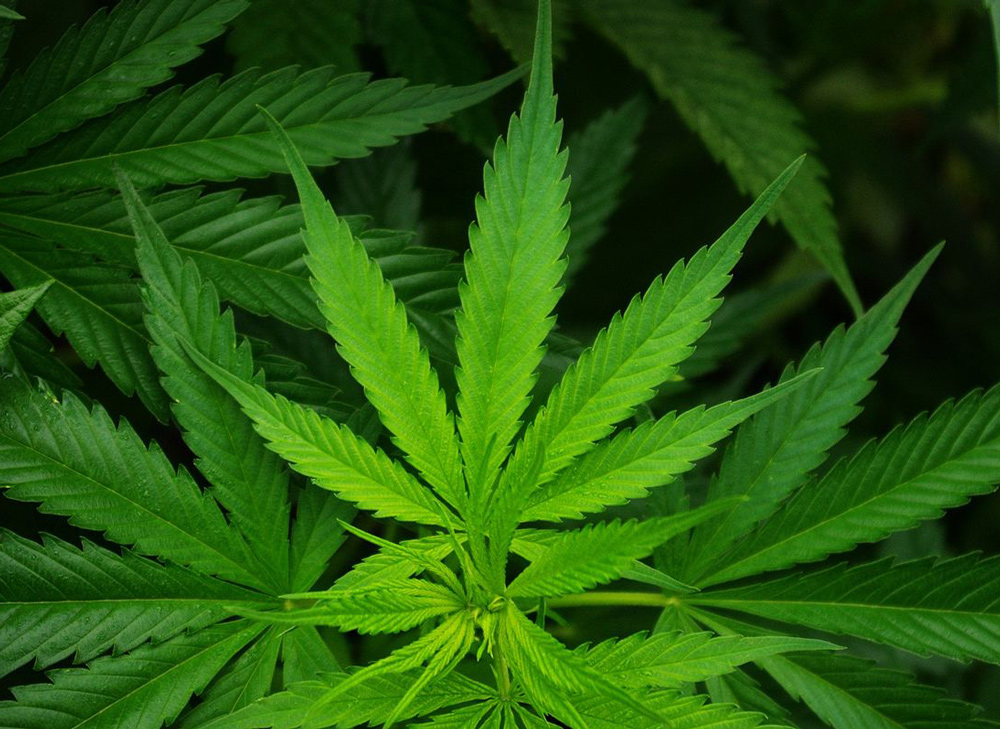
Illegal drugs include cannabis, cocaine, ecstasy and heroin but legal drugs – alcohol and tobacco – can be very addictive.
If you’re worried that your child could have or is already having problems with drugs or alcohol, help and advice are available and, as a parent, there are things you can do.
If you’re unsure about anything, Young Minds has loads of advice and their simple guides for parents talk you through things you might try, such as:
Be a good role model: You’ll influence your child’s attitude to drugs and alcohol before they even encounter them themselves.
Be honest: When kids ask about them, tell the truth. Why people enjoy them, find them relaxing, etc, but also add the drawbacks like illness, being sick, being vulnerable.
Make conversations about drugs an everyday thing rather than a big, one-off talking point.
Be clear about the myths: Like how they don’t boost self-confidence and suggest other ways of overcoming shyness, awkwardness or anxiety.
There are other practical things they suggest, but if you really think your child is using alcohol or drugs to help them cope with difficult feelings or mental health issues, speak to your GP for professional advice straight away.
Visit:
youngminds.ork.uk
talktofrank.com
edasuk.org/support
nhs.uk/live-well/addiction-support.






Leave a Reply