

Starwatch night sky events with Bob Mizon MBE of the Wessex Astronomical Society
Faraway giants.
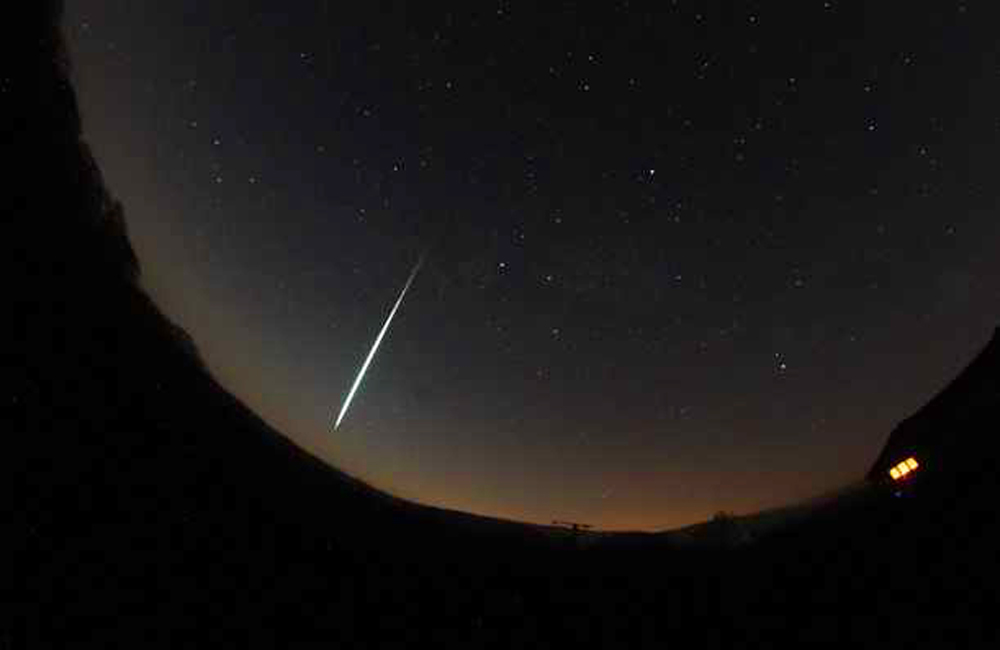
In mid-December, peaking around the 12th to the 14th, the meteors of the annual Geminid stream will streak across the night sky.
They appear to radiate from a point near the head of Castor, the upper bright star at the left of the constellation; its twin is Pollux.
These twins were, in Greek mythology, brothers of Helen of Troy and Clytemnestra, wife of Agamemnon, commander of the Greeks in the Trojan War.
The Moon is at its gibbous phase, a little larger than half-Moon, as the meteors reach maximum; its light may blot out fainter members. Bright Geminids often leave sparkling trails as they burn their way through the upper atmosphere at altitudes between 60 and 100 kilometres, so keep binoculars at hand to see how these gas trails snake around after the meteor has apparently disappeared.
The reliable Geminids can include very bright fireballs. These represent bigger chunks of debris, left behind millennia ago by the crumbling asteroid Phaethon.
Clear skies!







Leave a Reply