

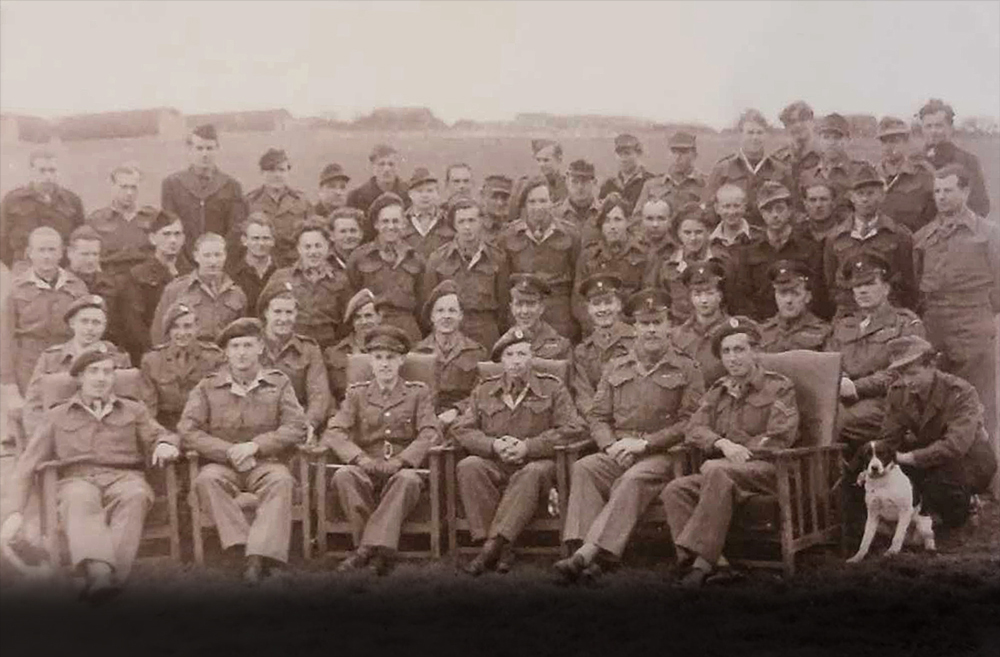
Last week’s Remembrance commemorations will have brought back memories for many a veteran.
They certainly conjured up recollections of a hair-raising incident for one, who has put pen to paper.
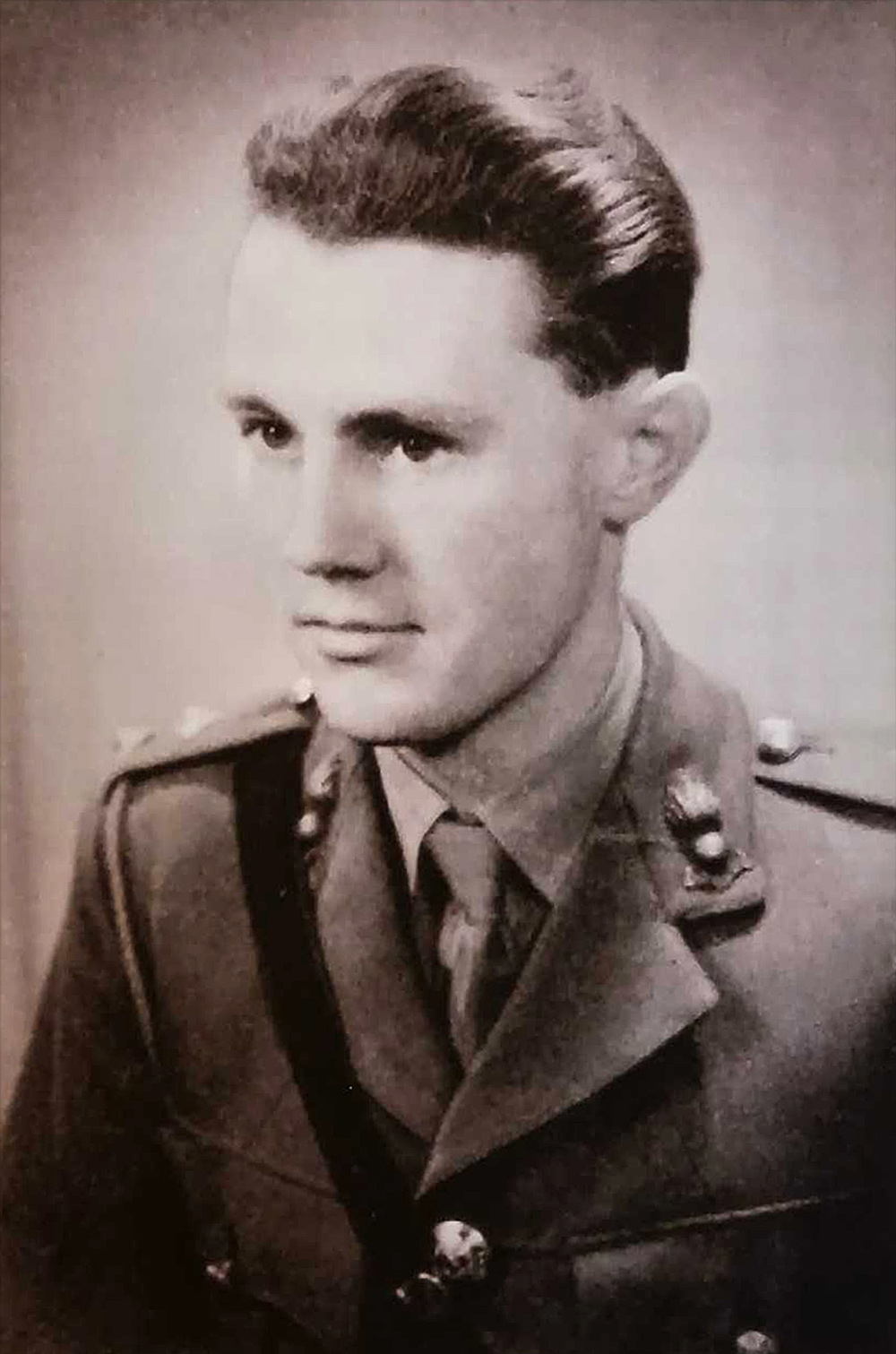
Sprightly and eloquent 98-year-old Ralph Ruby wistfully writes:
‘The coast has an evocative appeal to the romantic as expressed in art, literature and song, such as Come Back to Sorrento. To many ex -soldiers it commands a more emotive compulsion to realism/return as epitomised a while back by the D- Day commemorations.
My initial introduction to Kimmeridge Bay was in 1947 in order to lift the minefields there, which were declared too dangerous to lift and were put on hold until after the war.
Most of Kimmeridge Bay is surrounded by cliffs forming a natural barrier – at least for the troops heavily loaded with arms and ammunition.
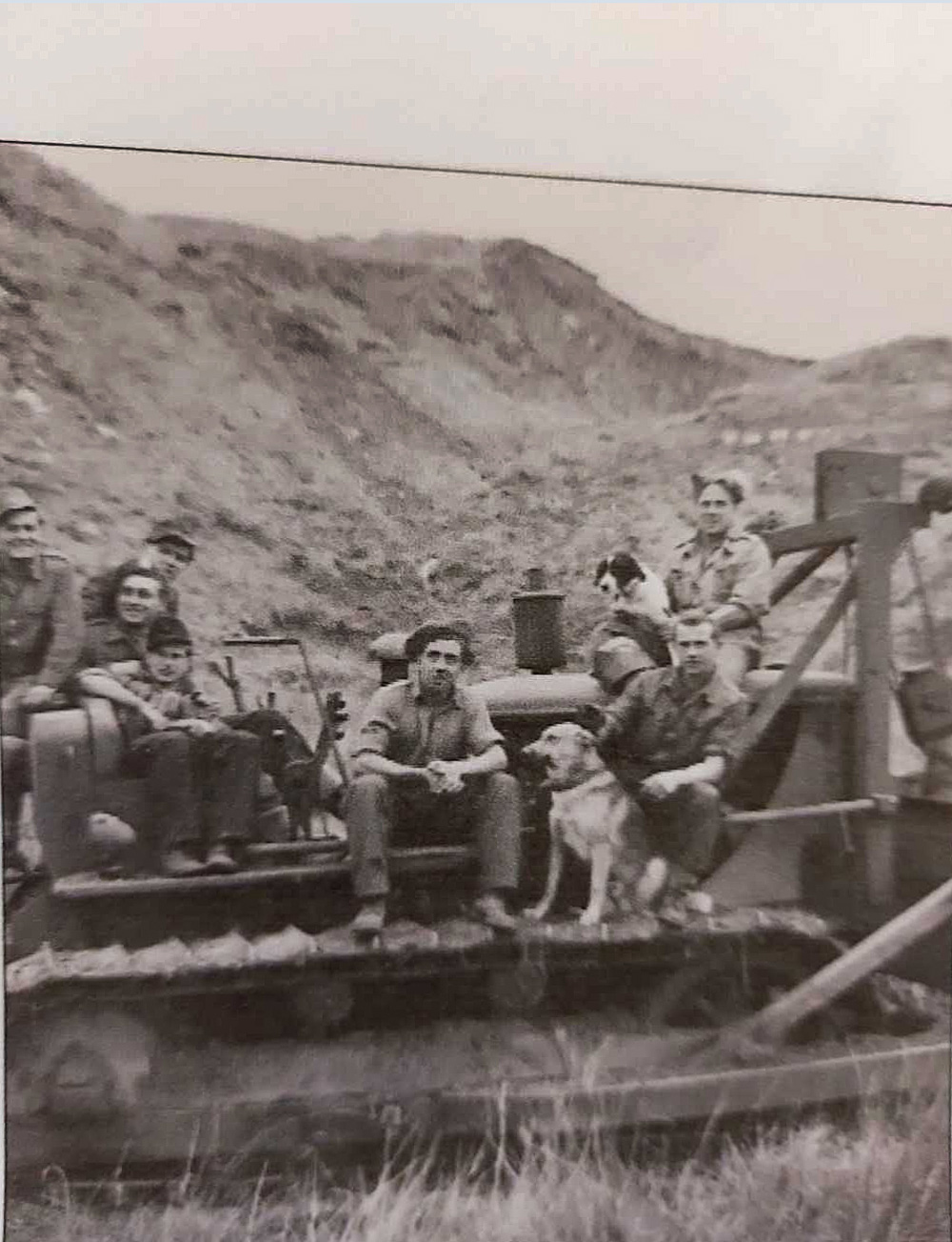
A modest lance-corporal would have no trouble in identifying where to lay out the minefields and it seems as evident to me today as it was long ago.
The largest area under the cliff face, sporting the Clavell tower and bordering the slip way had an area above the high water level which sported several small boat huts. This area could serve as a muster point and for stacking ammunition, etc.
The access to the slipway also needed separate consideration as did a number of small gullies in the cliff-face discharging water from the fields onto the beaches below.
The Kimmeridge minefields consisted of one large field containing 100 beach-type C mines and a number of isolated smaller ones with just a handful of mines apiece.
The minefield chart clearly showed the overall layout and actual positioning of individual mines.
The mines had been laid uniformly and should have provided no problem to lift.
However a dog got on to the minefield and triggered off one mine, whereby sympathetic detonation fired others in a random fashion.
No one knew how many mines went up and the rest were covered in fall-out and cliff falls to depths outside the limits of are detectors.
Worse still, the minefield was now peppered was now with metallic debris whilst some active mines were now probably ‘over-sensitive’.
A recent visit, organised by my niece Jane, depicted a Kimmeridge which had ‘changed’ and ‘not changed’.
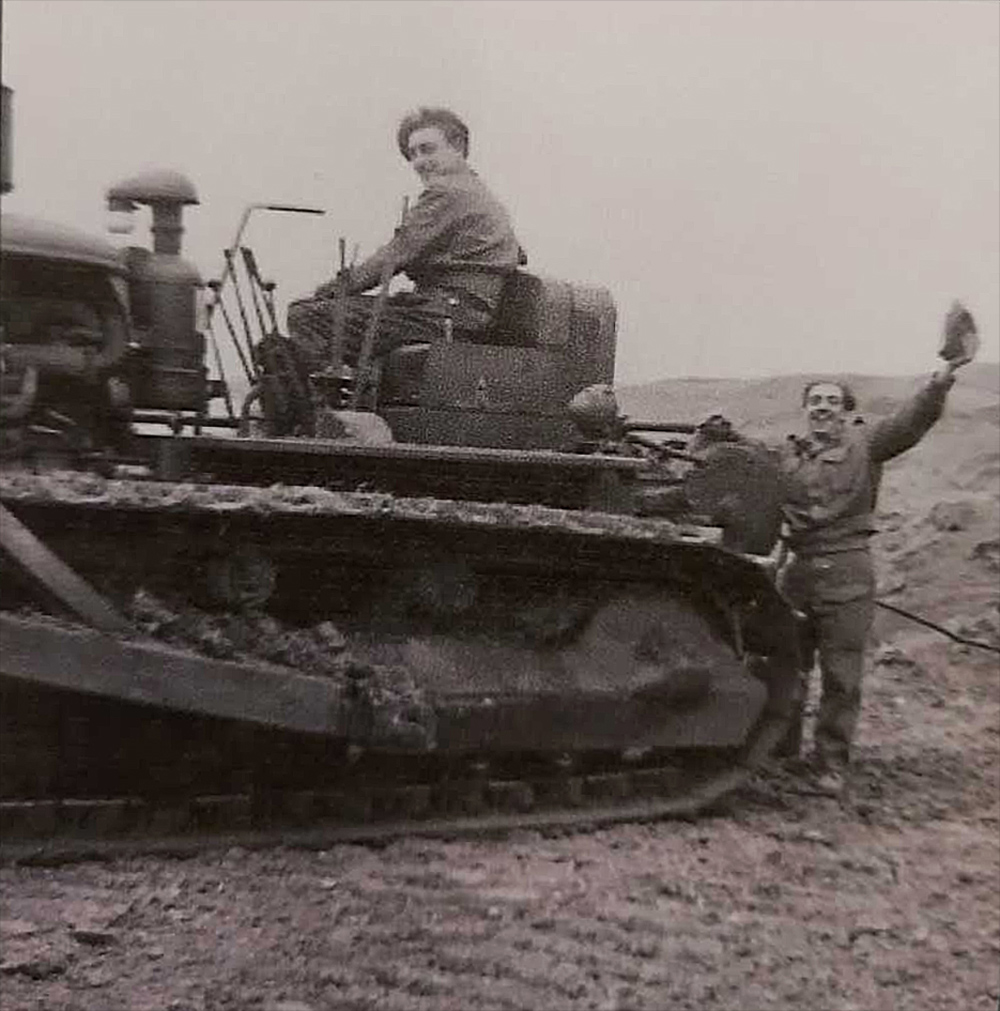
The ‘Nodding Donkey’ still greeted the visitors, but the Clavell Tower had clearly moved.
To its aficionados – the cliff walkers, unpretentious sailing enthusiasts, bird watchers and geologists Kimmeridge is still – at least to me – a jewel in the Jurassic Coast which has been enhanced by the improved tourists facilities and its recent museum.
Whatever thoughts and emotions Kimmeridge conjures up with its many diverse visitors, my thoughts and those of others who cleared its mine fields must be quite unique.’
R.M Ruby




Leave a Reply