

by Lorraine Gibson.
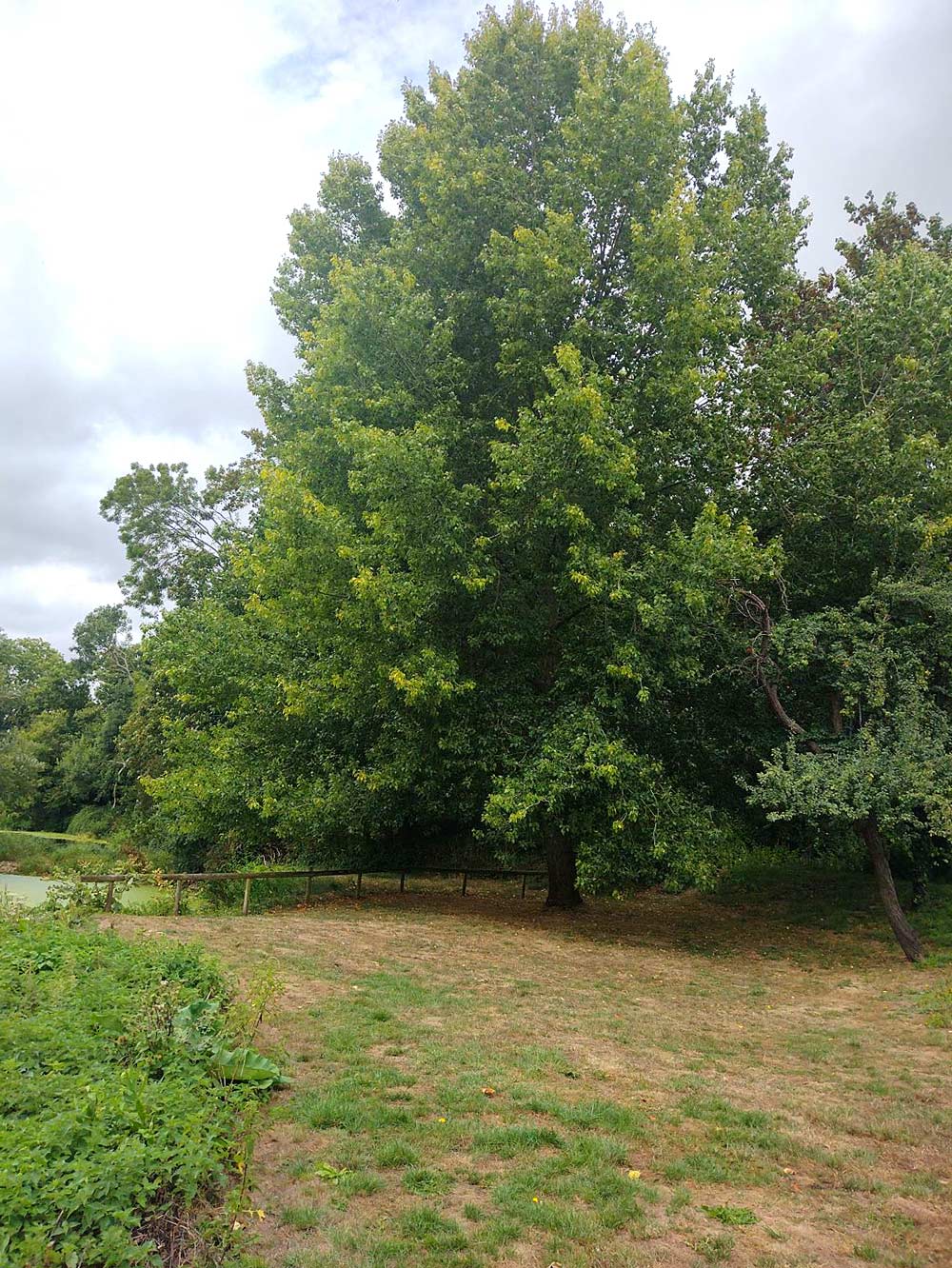
Thanks to the work of a dedicated community group, the black poplar tree could make a comeback to Wimborne.
Wilding Wimborne was set up to actively help reverse insect decline and wildlife loss and their installations of bee houses and plant pollinator-friendly wildflowers chalked up a big success earlier in the year when the town was awarded Bee Friendly Town status.
Now they’re launching Trees for Wimborne, an initiative aimed at benefitting both people and nature. Trees are vitally important as a food source for bees and other insects: Oak trees, for example, support as many as 350 insect species, which, in turn, are sustenance for other wildlife.
Residents and visitors will also enjoy the beauty and shade that trees provide along with the proven beneficial effects they have on well-being and stress.
Niki Harper, who heads the project, says: “We’re excited to be working with landowners and other voluntary groups to bring the native black poplar back to Wimborne, using funding from Dorset Community Foundation supported by Wessex Water.
“This tree needs wet places and used to be common along river valleys but is now Britain’s rarest large tree.
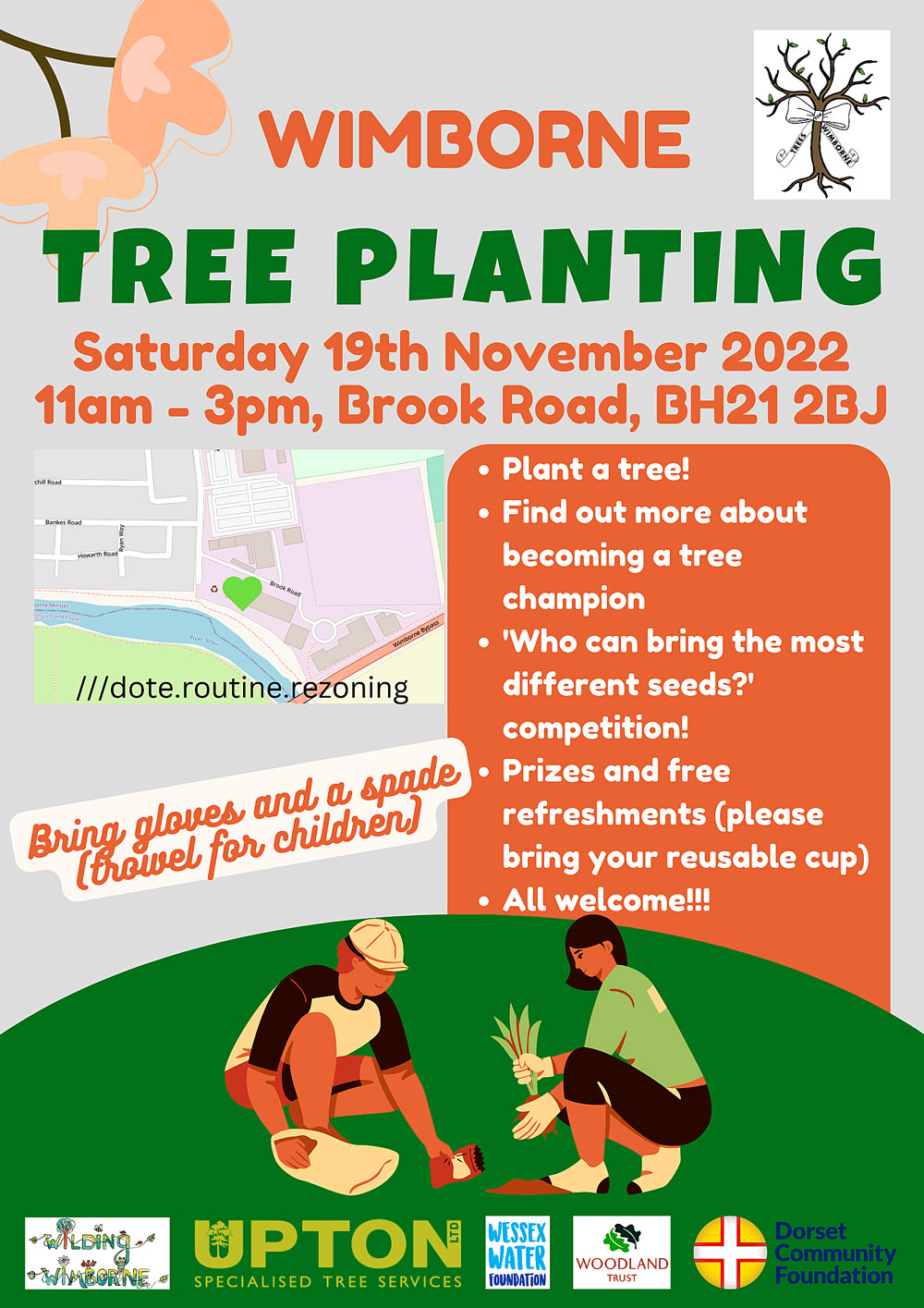
“Increasing tree cover will take many years, but we’re starting the ball rolling this winter with saplings provided by the Woodland Trust Community Scheme.”
Wilding Wimborne need volunteers to plant trees and to look after saplings.
To be part of this new adventure, contact treesforwimborne@gmail.com.




Leave a Reply