

New measures have been introduced to stop the spread of bird flu as cases soar.
Chief veterinary officers have declared an Avian Influenza Prevention Zone (AIPZ) across Great Britain to mitigate the risk of the disease spreading.
From midday last Monday (October 17), it became a legal requirement for all bird keepers in Great Britain to follow strict biosecurity measures.
Implementing the highest levels of biosecurity measures on farm is the most effective way to reduce the risk of disease spreading within flocks, according to Defra.
The introduction of the AIPZ comes after the country has faced its largest ever outbreak of avian flu, with 190 cases confirmed across the UK since late October 2021 – more than 30 of these confirmed since the beginning of the month.
Now, keepers with more than 500 birds will need to restrict access for non-essential people on their sites, workers will need to change clothing and footwear before entering bird enclosures and site vehicles will need to be cleaned and disinfected regularly.
Backyard owners with smaller numbers of poultry including chickens, ducks and geese must also take steps to limit the risk of the disease spreading to their animals.
The UK Health Security Agency (UKHSA) advises that the risk to public health from the virus is very low and the Food Standards Agency says that avian influenzas pose a very low food safety risk. The AIPZ, now in force across Great Britain, does not include a nationwide requirement to house birds, but this is being kept under review.
It does mean birdkeepers must:
• Keep free ranging birds in fenced areas, and that ponds, watercourses and permanent standing water must be fenced off (except in specific circumstances e.g. zoo birds)
• Clean and disinfect footwear and keep areas where birds live clean and tidy
• Minimise movement in and out of bird enclosures
• Reduce any existing contamination by cleansing and disinfecting concrete areas, and fencing off wet or boggy areas
• Keep domestic ducks and geese separate from other poultry
• Ensure the areas where birds are kept are unattractive to wild birds, for example by netting ponds, and by removing wild bird food sources
• Feed and water your birds in enclosed areas to discourage wild birds
Keepers should report suspicion of disease to APHA on 03000 200 301.
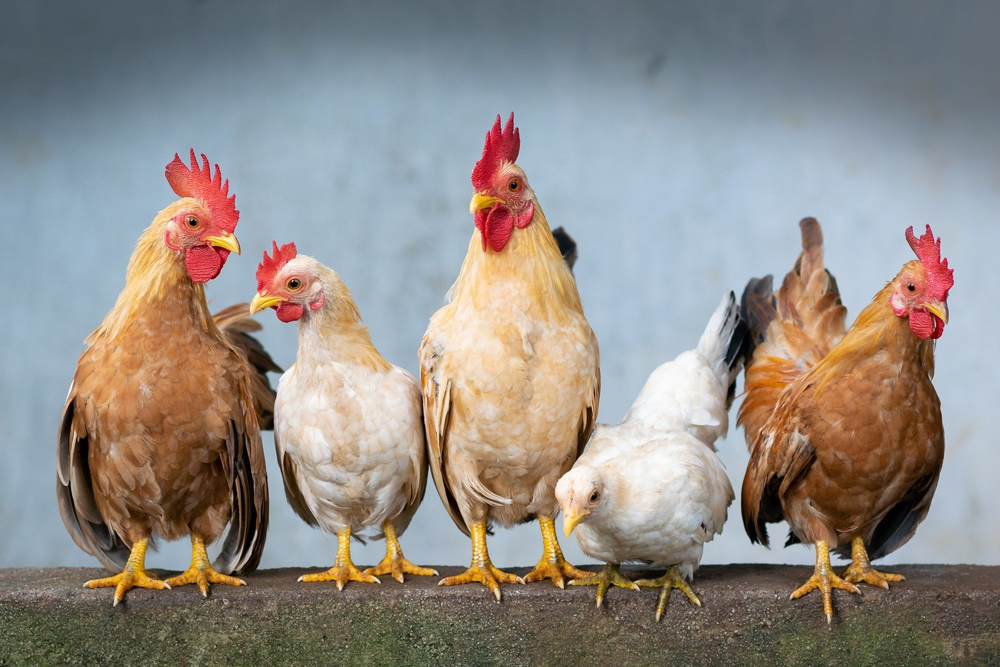
Flu cases spark crackdown

Related Articles
Staff member assaulted during attempted booze theft
A MAN has been charged for assault after attempting to steal alcohol from a…
Tragedy as Poole man, 49, dies in skydiving incident
TRAGEDY struck at a Devon airfield over the weekend as a man from Poole…

Wimborne groups unite to help residents act for a greener future
PLANET Wimborne and u3a Wimborne have joined forces to launch a new programme of…


Leave a Reply