

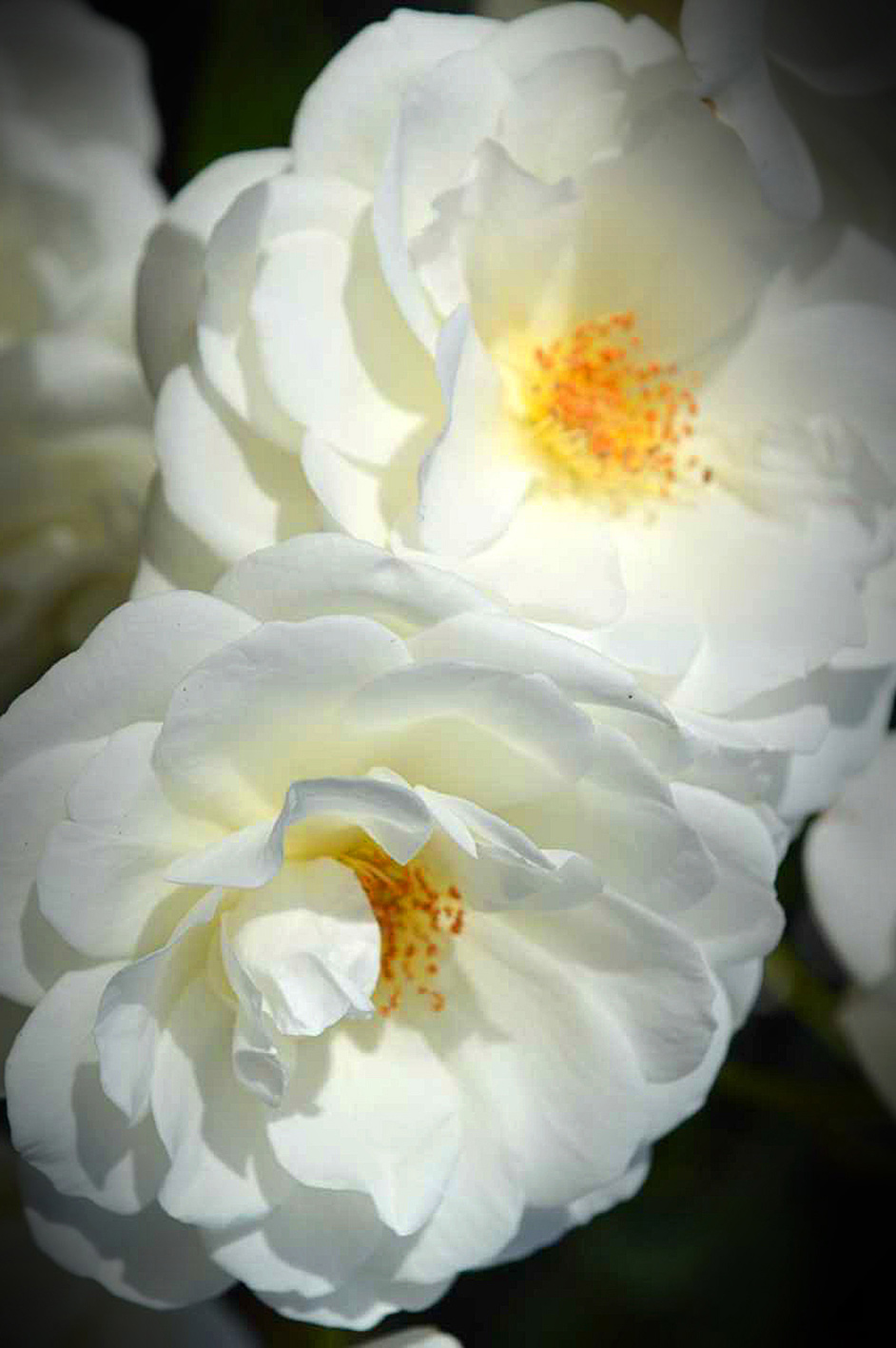
As I write this, our Queen, Her Majesty Queen Elizabeth II, currently lays looking out on the magnificent gardens and grounds of Buckingham Palace.
We have all felt the loss of a lady who has represented so much of Britain, of us, and of the world at different times in her life.
For some, maybe not traditionally royalists, it has brought back memories of their own losses. She, and the Royal Family, have long had a fondness and passion for the natural world, and have championed this in their lives. It’s a clear joy and source of comfort for them, and they know the importance of nature in all our lives. Indeed, we have this past year been encouraged to plant the Queens Green Canopy – trees to celebrate the Platinum Jubilee.
And perhaps, given the loss of our Queen in this her Jubilee year, means that this legacy will become even more important and more determined as we move into the autumn tree-planting season.
What better way to honour and celebrate the life of an important and dedicated figure than to plant and maintain a tree in her name that will grow and flourish and help us all, psychologically and physically as we adapt to the changing world of climate and increased mental health stresses?
I recently attended a talk on the future of woodland tree planting, by Tony Kirkham MBE VHM – a leading figure in woodland and tree management. We must appreciate that, facing the threats from international pests and diseases that we now do in an international world, our tree selection for woodlands needs to change to be sustainable.
In his opinion, we will be looking at a joint selection of choice natives and non-natives which have by research been found to be robust and sustainable to the modern pests and diseases.
Going forwards, Caucasian Alder (A. subcordata), for example, is far better suited to our climate and disease threats than our native Alder, whilst still maintain the large shade canopy we need.
Other non-traditional woodland trees can also be used, such as Tilia, Liriodendron, Fagus orientalis etc, all of which have shown to be resilient. When planting is varied, pests and diseases have less opportunity to take hold, and our native trees have a better chance of withstanding attacks and thriving.
The Queen was also very fond of plants and gardens, and did not miss a single RHS Chelsea Flower show as well as being a long-standing Patron of this leading gardening organisation. Her favourite flowers have been documented before, most notably Lily of the Valley which blooms in late spring. We are now, in this period of mourning, perhaps learning more widely about her other favourites.
Her coffin wreaths to date have been made of plants and flowers from the Balmoral estate, noted as the place where she could ‘leave her Crown on the gates’ and ‘be a mother, Grandmother and Great-Grandmother’.
What better way to pay tribute and comfort than to provide from that very estate. Fir, white heather, dahlias, the wonderfully-scented sweet peas, and phlox all came from the estate, and were married with white roses, chrysanthemums, freesias, eryngium, rosemary, hebe, and pittosporum.
There is a particular significance to the three flowers that were placed on both the Queen and Prince Philip’s coffins.
Sweet peas – the birth flower of April (the month of the Queen’s real birthday), are symbolic of gratitude, kindness, and goodbyes.
White roses are commonly associated with loyalty, purity, and innocence. Freesias, symbolic of friendship and perseverance, were another flower that featured in both the Queen and Prince Philip’s wreaths; a touching nod to their long-lasting marriage.
All of these plants can be grown in your own gardens, they are not rare or unique, but when combined make quite a spectacular display. Flowers and plants have deep historic meanings and symbolism, and you can use them accordingly to represent so much and do so in a very personal way, or simply to enjoy them for what they are.
Apologies if you were expecting the normal column from me this issue, I was due to write the Q & A, however I couldn’t let this go unmarked, nor has life felt normal for a lot of people these last two weeks and I wanted to reflect that. Normal service will resume next issue!
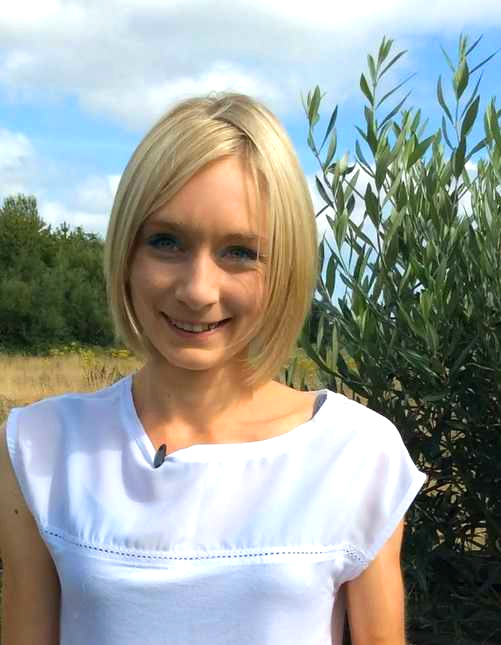
Hannah Hobbs-Chell is a horticulturist and garden designer/consultant.
If you have a question for her, email:hannah.hobbschell@outlook.com including a picture if relevant




Leave a Reply