

Jubilant June!
A wonderful start to the month is promised, with many outdoor celebrations planned for Her Majesty, and an extra day of holiday for some, means some lovely time to be outdoors.
If you are wondering what you can do in the garden this weekend or indeed in the whole month, fear not, I can give you some ideas!
Start deadheading flowers!
As the summer plants begin to flower, particularly herbaceous, bedding plants
and roses, regularly deadhead them to ensure you continue to get repeat and prolific flowering. You can
also prune spring flowering shrubs if you haven’t yet. Camellias, rhododendrons (if they have finished flowering), azaleas, choisya, etc, all can be pruned now rather than later to keep the
shape and size but not damage next year’s buds.
Sow and grow lupins
If any of you have been following Chelsea Flower Show you will have seen the trend for lupins. They are indeed a stately plant and
look great in a cottage garden scheme or anywhere where a bit of height and pop of colour is needed. Keep the slugs at bay when they first emerge and they are easy to sow and grow. Lupins are sun-lovers, so give them a warm, open, bright position. They also like well-drained or even poor soil that is slightly acidic, so they are ideal for the soil in the majority of this area of Ferndown and West Moors. If you sow seed in early June, you will get a small plant that will carry through to next year when it will be much more established and ready to go. You might also get a late flower show. Happily, most lupins also come true from seed too, so if you buy a plant and save the seed at the end of the season you can sow and make more plants next spring!
Lupins can also be used as part of the vegetable rotations – like other legumes, they can fix nitrogen from the atmosphere into ammonia (nitrogen) via a bacterium–root nodule symbiosis, fertilizing the soil for other plants.
This allows lupins to be tolerant of infertile soils and capable of pioneering change in barren and poor-quality soils, and the flowers can be used for cutting whilst feeding your vacant plot!
Don’t cut those hedges!
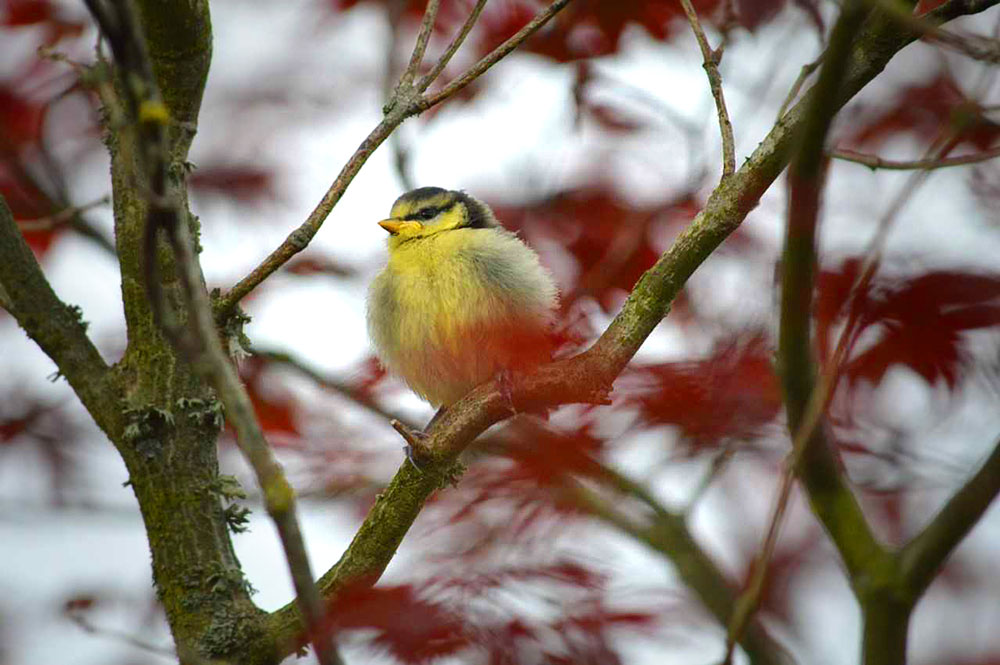
Please please reconsider cutting hedges at this time of year. The birds are still actively nesting and raising young, and easily abandon nests and young if disturbed. Nests which become exposed are also much more prone to predation and to colder winds and hot sun which could harm young birds. If you absolutely must trim a
hedge, it is an offence to intentionally disturb nests, and a check for nesting birds is strongly advised. Unfortunately, I have heard of an instance where, despite a thorough check, a nest was missed and sadly a chick suffered from the tools.
Blackspot on roses
Keep an eye out for black spot on roses and remove damaged leaves as soon as possible. I have had success with a couple of products (no affiliation or commission paid!) – Uncle Toms Rose Tonic which if you buy from the Rose Society means they benefit from your purchase, and SB Plant Invigorator. SB PI is based on natural soap-based ingredients, and is an
environmentally-friendly and economical way of controlling a wide range of rose pest species including whitefly, aphid, spider mite, etc, by physical means. It is not absorbed by the plant nor a threat to bees unless sprayed on them directly. It also helps prevent powdery mildew and is a plant stimulant so will help plants to become resilient to attacks. Uncle Toms is a foliar feed and root drench for resilient plants, and an environmentally-friendly way to protect against black spot and mildew.
Finish cropping asparagus by the end of the month
Asparagus needs to be allowed to grow a few spears to enable it to re-feed itself ready for next year. You can continue to crop rhubarb until end of July however so rhubarb crumble is still on the menu!
Keep ponds topped up
Use rainwater ideally to top up ponds and water sources for wildlife and your fish if you have them. Keeping the ponds topped up is essential for wildlife access and oxygen and heat management in the summer.
By Hannah Hobbs-Chell,
Horticulturist and garden designer/consultant Hannah Hobbs-Chell is the gardener at High Mead Farm, looking after four acres of gardens and landscape.
If you have a question for her, email:hannah.hobbschell@outlook.com including a picture if relevant







Leave a Reply